


Two Recent Court Cases of Interest to the Sign Industry
Chicken Wing Smackdown . . . Pecking Order on the Grill
BAWWWK! In an unusual case of logo abuse, in Ace of Wingz v. Smackin Wings (Arizona Federal Court, 2026), two BBQ chicken wing restaurant owners are dueling over who gets to rule the roost.
When Smackin bashed Ace’s trademark in its advertising, Ace cried “fowl” over trademark infringement, damage to reputation and unfair business practices. Ace was granted a default judgment (hearing without trial) because Smackin failed to file an Answer to the Complaint. However, instead of simply granting the motion, the court dove into the law of infringement and fair use, holding among other points (in a very long analysis) that the defendant’s action resulted in consumer confusion, trademark dilution, and measurable harm to the plaintiff.
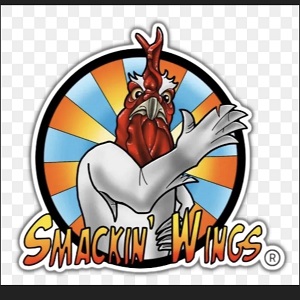
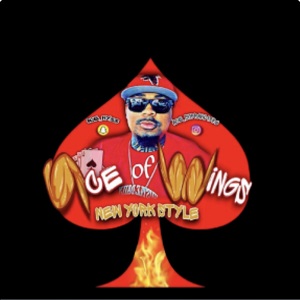
In the words of the court:
“Defendant created, published, and distributed commercial video advertisements on Instagram and other social media platforms that incorporated Plaintiff’s Marks without authorization. The videos depict Plaintiff’s logo being physically beaten, attacked, or humiliated by a character associated with Defendant […] The caption of one advertisement expressly tags Plaintiff’s Instagram account and states that Defendant is “still SMACKIN the competition,” and warns that Defendant’s product “may cause . . . sudden disrespect for other restaurants.” The posts carried hundreds of likes, comments, and shares.”
The legal theory was not simply that mocking a competitor’s logo is unlawful; it was that this particular advertising created likely confusion. The court expressly acknowledged but did not resolve a potential fair-use issue—using another business’ trademark to refer to that business. (However, rather than resolving a fully litigated dispute about comparative advertising, the magistrate judge evaluated Ace’s allegations as true for purposes of recommending default judgment because there was no defense.)
So much for healthy competition!
(Another) LA Battle of the Billboards . . .
In Karraa v. Outfront Media and the City of Los Angeles (2026), the property owner, Karraa sued the defendants because Outfront dismantled a billboard on Karraa’s property without consent after the city issued a demolition permit despite Karaa’s formal objection. Karraa had refused to renew its lease with Outfront on Outfront’s terms; so Outfront removed the above-ground parts of the billboard and left the footings. Karaa was unable to obtain a permit to rebuild due to the city’s ban on new billboards.
Among other claims, Karraa sought monetary damages and alleged Outfront’s actions constituted an unfair business practice of “intimidation of property owners to demand below market rents” and “is representative of their business practices in that they regularly take unlawful, fraudulent or unfair steps to prevent local property owners from obtaining fair market value for ground leases.” (Karraa estimated he was losing $30K/month.)
Outfront filed a motion to dismiss the case on grounds that Karraa lacked standing to sue because the filing for a demolition permit was a protected act immune from suit. However, in an “unpublished” decision (that may not be cited as precedent in other cases), the court concluded Karraa had in fact stated a viable claim and the case could proceed because “Outfront’s intentional and malicious destruction of a legal nonconforming use [the billboard] is the basis for plaintiffs’ complaint and not its unauthorized application for a building permit.”
Stay tuned . . .
By Jeff Aran, CSA Legal Counsel